
Introduction to Yachting / Module 1: Getting Started in Yachting: Industry and Career Basics
Lesson 2: Vessel demographics
|
|
Do you know the difference between a private yacht and a charter yacht?
|
|
OBJECTIVE
This lesson explains the different types of vessels present in the maritime industry, each serves a specific purpose. We look at how to identify and understand the difference
between:
- Boats
- Luxury small boats
- Yachts
- Ships
|
Types of vessels
In the maritime industry, there are many types of vessels. In some cases, the vessel terms are used interchangeably. Understanding and identifying the difference between the
vessel types is helpful so that you know what to expect if you work on different ones.
There is no globally accepted definition for when a boat becomes a yacht or when a yacht becomes a ship. A yacht can be carried on a
ship, but a ship cannot be carried on a yacht.
|
?
|
Let’s distinguish between boats, yachts and ships
The word "boat" refers to any recreational vessel, either driven by engines or sails, or both, with covered accommodation and facilities that allow the individual to spend a
night on board. These are typically small vessels.
The word "yacht" refers to a vessel longer than a boat and includes very large motor and sail vessels. Within the yacht category there are superyachts (24-60 m), megayachts
(60-90 m) and gigayachts (>90 m) which can also be considered as small ships.
The word “ship” refers to a large vessel which is designed for long-distance travel or commercial purposes such as cargo transport or passenger service. Ships are capable of
extended sea voyages and accommodate large numbers of crew and passengers.

Vessel types based on size.
Boats: Inflatables and Rigid Inflatable Boats (RIBs)
These are small boats designed for quick manoeuvrability, making them ideal for tasks such as transporting passengers to shore and supporting diving and snorkelling excursions.
Additionally, they are popular for recreational purposes, including fishing, water sports, and coastal cruising. Their ability to handle rough waters and ease of transport and
storage further enhance their appeal in both professional and leisure contexts. These vessels require a certificate to operate, but you don’t need to be a captain.
| Name |
Inflatables |
Rigid Inflatable Boats (RIB) |
| Similarities |
• Inflatable compartment/pontoons
• Good stability
• Lightweight
• High carrying capacity |
• Inflatable compartment/pontoons
• Good stability
• Lightweight
• High carrying capacity |
| Differences |
No rigid components making them easier to stow. |
Bottom is made from aluminium or fibreglass, making it rigid and more difficult to stow. |
| What do they look like |
 |
 |
|
These types of vessels were originally designed for the military and rescue/service work, but they are
increasingly popular with recreational users. Most yachts have RIBs on board as tenders.
|
 |
Boats: Luxury small vessels
There is an increase in the small luxury vessels market. These boats are less than 24m but still offer many of the comforts and high-end features of larger superyachts in a
more compact and manageable size. These are typically owner-operated or run with a 2-3 person crew (captain, chef and deckhand), and are popular for private use, boutique
charters, and coastal cruising. These boats can include high-spec interiors, water toys, and even compact crew quarters due to their clever designs. Their size allows easier
access to smaller marinas and secluded anchorages, making them ideal for relaxed, flexible cruising experiences. This sector continues to evolve with advances in design,
sustainability, and performance, attracting both seasoned yacht owners and newcomers seeking a taste of the luxury lifestyle at sea.

Sailing boat.
|

Sailing catamaran.
|

Motorboat.
|

Motor catamaran.
|
Yachts: Types and service criteria
There are two main types of yachts that are over 24 m in length.

(1) A motor vessel (M/V) has one or more engines.
|

(2) Sailing vessels (S/V) are vessels driven by sails.
|
Nowadays, sailing vessels have engines for ease of manoeuvring in crowded marinas and anchorages where there is insufficient room to sail safely. These are known as auxiliary
engines.
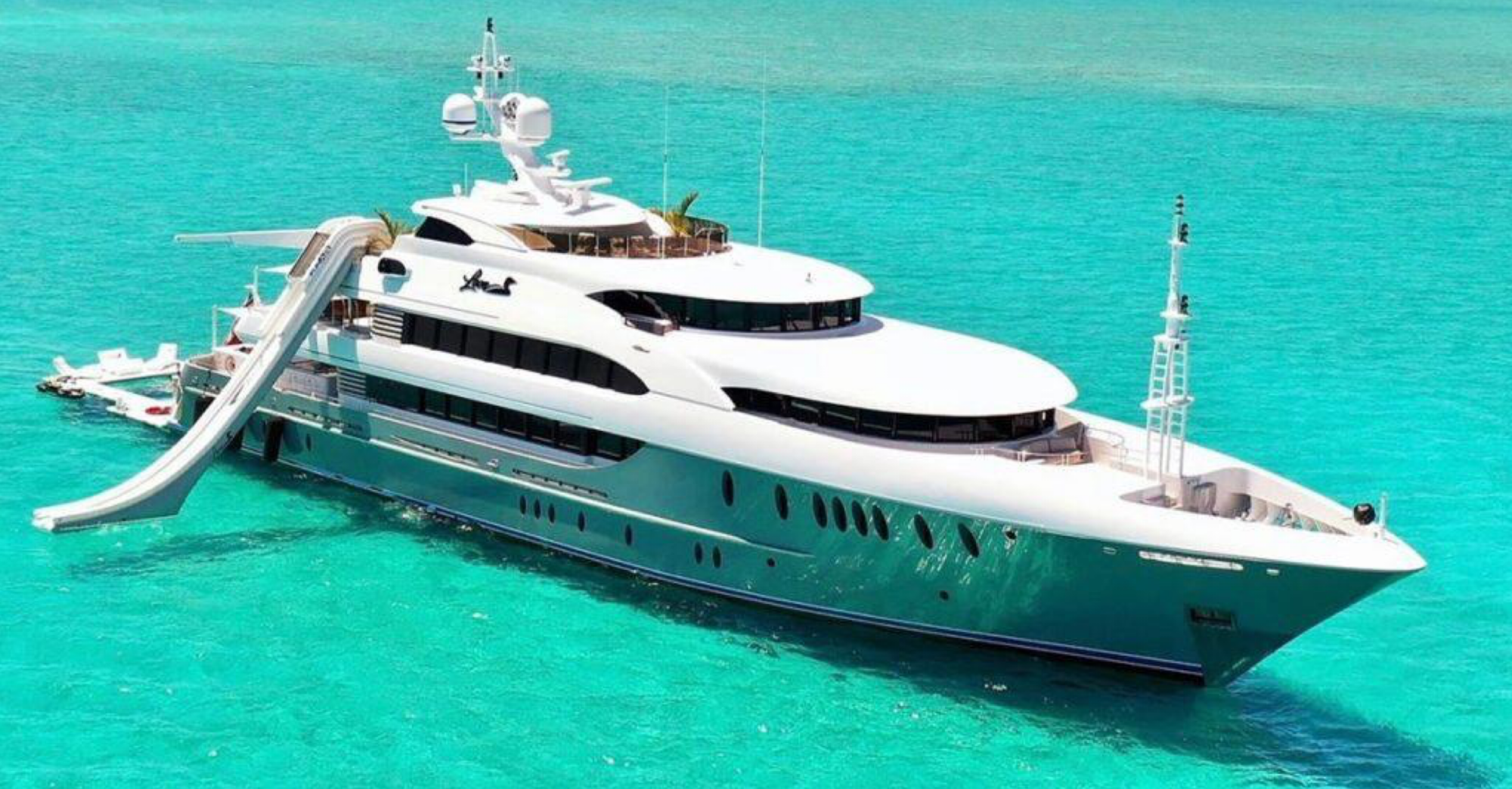
A motor vessel (super yacht).
Yachts are generally registered under three categories (private, commercial or expedition/explorer), depending on the service they perform.
1. Private yachts
A private yacht is for the specific use of an owner, his family, and his friends. It is not for rent or “charter” to outside parties. Private yachts tend to travel
substantially less than “commercial” yachts and tend to offer higher salaries because there are no tips. Due to the less frequent travel, it is usually easier to get additional
time off from private yachts. This working style is more conducive to having a family life.
The travel itinerary of the yacht depends on the owner’s or guest's requirements and will be clearly explained during your interview, as well as, likes, dislikes and general
meal preferences of the owner, their family and guests.
The owner will outline mealtimes, drinks, leisure activities and expectations for his guests. This is usually discussed with the chief stewardess or directly with the captain
(on smaller vessels).
An owner and family may be aboard for several months during the summer or winter if the boat is based in the Caribbean or the South Pacific. If the boat stays in the
Mediterranean during the winter, there may be long periods with no guests aboard. In this scenario, the crew often stay on board to look after the vessel or can be given ‘off
periods’ to visit family and more.
2. Commercial yachts
A commercial yacht is a yacht that is available for “charter” (or hire) and is often called a “charter yacht”. They may be chartered for either short or extended periods of
time. Due to the incredible expense of owning and running a superyacht, owners often offset the costs by hiring out/chartering their yacht to corporations or private
individuals.
It may be easier to start working for a charter company, as many companies seek crew for their clients. There are both ups and downs to the charter industry. The hours that you
work for charter companies are long, and you have very few breaks during the season. However, the tips are great and people working for charter companies often make more than
double their salary in tips alone.
3. Expedition and explorer yachts
An explorer yacht is broadly defined as a vessel which has been purpose-built or converted to enable long-distance cruising to remote areas of the world. It should provide the
owner with total freedom to explore the world’s oceans, roaming wherever their desire takes them. Often, fishing vessels or trawlers are converted into explorer vessels. The
specific features of the craft can vary, depending on what they are required to do and where they are required to go.
There is a trend in the industry of designing smaller crafts with a tough aesthetic, but these vessels lack the technical capabilities required to explore the furthest reaches
of the globe.
To be classed as a true ‘explorer yacht,’ vessels must have the following attributes:
- Seaworthy: They must be highly seaworthy and safe in the roughest of seas.
- Hull design: The form of the hull influences seaworthiness and affects the comfort of passengers and crew.
The hull design influences a vessel's ability to deal with ice. This led to the development of Polar Code B-compliant vessels.
- Fuel storage: Fuel tank capacity is an important factor in ocean-going explorer yacht design. The available
fuel on an explorer yacht should support travelling at least 5000 nautical miles at 10 knots.
- Self-sufficient: True explorer yachts must be autonomous and independent. It is essential that the vessel can
remain at sea for long periods without visiting a port. Explorer yachts must be able to:
- hold an adequate stock of required provisions,
- be capable of producing fresh water,
- provide appropriate waste management,
- hold all necessary spare parts as well as tools and provide repair and workshop capabilities, and
- be able to stay at sea for long periods, sometimes up to 60-days at sea.
|
Polar Code
The Polar Code is an international code for ships operating in polar waters. It provides detailed requirements for
vessels to ensure safety in the polar regions. For example, a vessel must be able to withstand flooding resulting from hull penetration due to ice impact.
Vessels which are not compliant are not certified to sail in polar waters.
|
! |
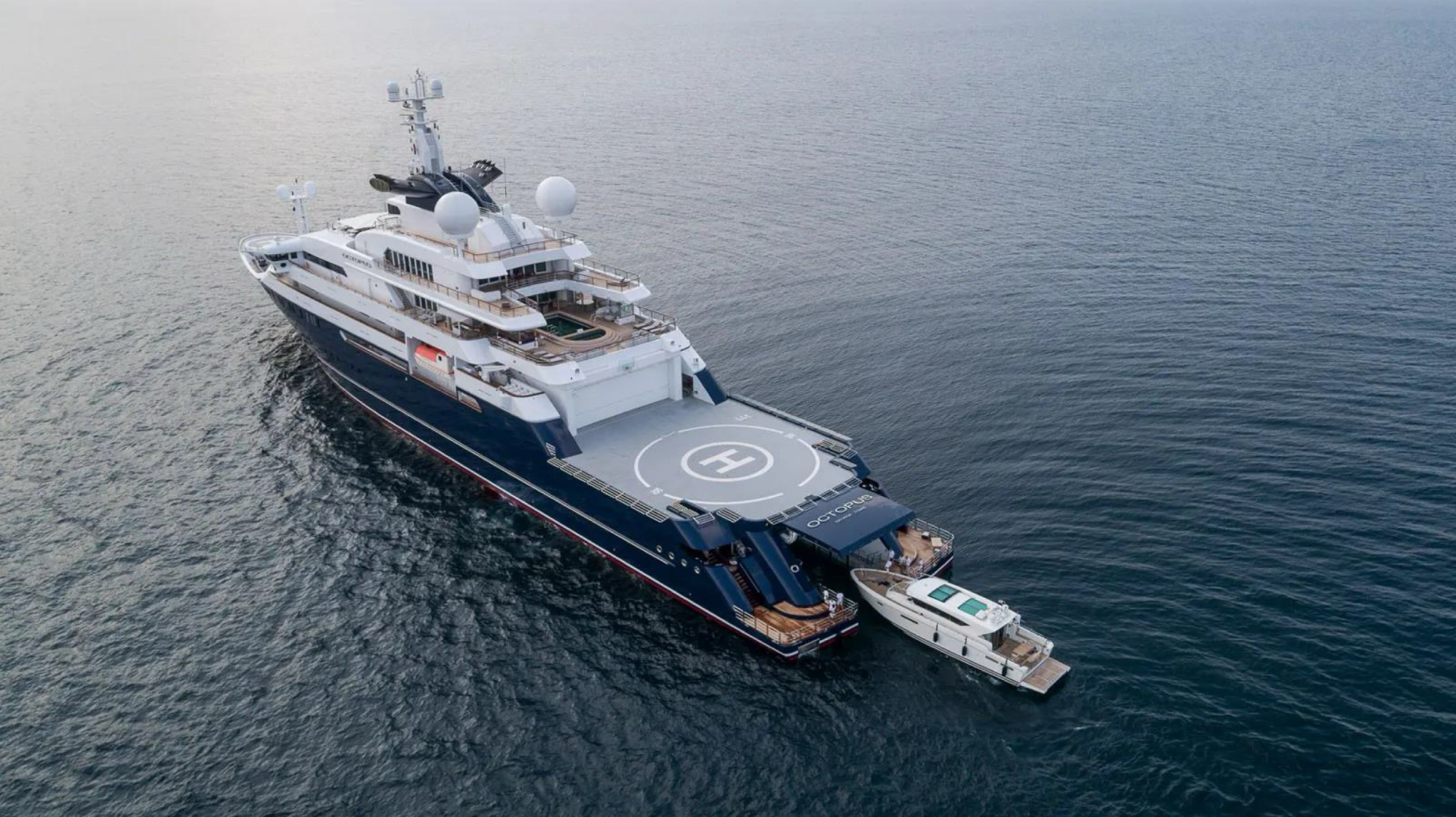
Expedition or explorer vessel.
Ships: Cruise ships and ocean liners
Cruise ships and ocean liners look very similar at first glance, and many people struggle to tell them apart. They are both built to carry passengers, but their similarities
end there. These two vessel types serve very different purposes.
1. Ocean Liner
An ocean liner is a passenger ship designed to take people from one point to another. For example, you would travel on an ocean liner to cross from England to the United
States. These ships are built to withstand various weather conditions while travelling across the open ocean. Design features of an ocean liner include:
- Hull: Built from a large amount of steel to increase strength.
- Bow: Long and tapered to help the vessel cut through waves.
- Draft: Deep for more stability.
- Speed: Designed to get from point A to point B as fast as possible.
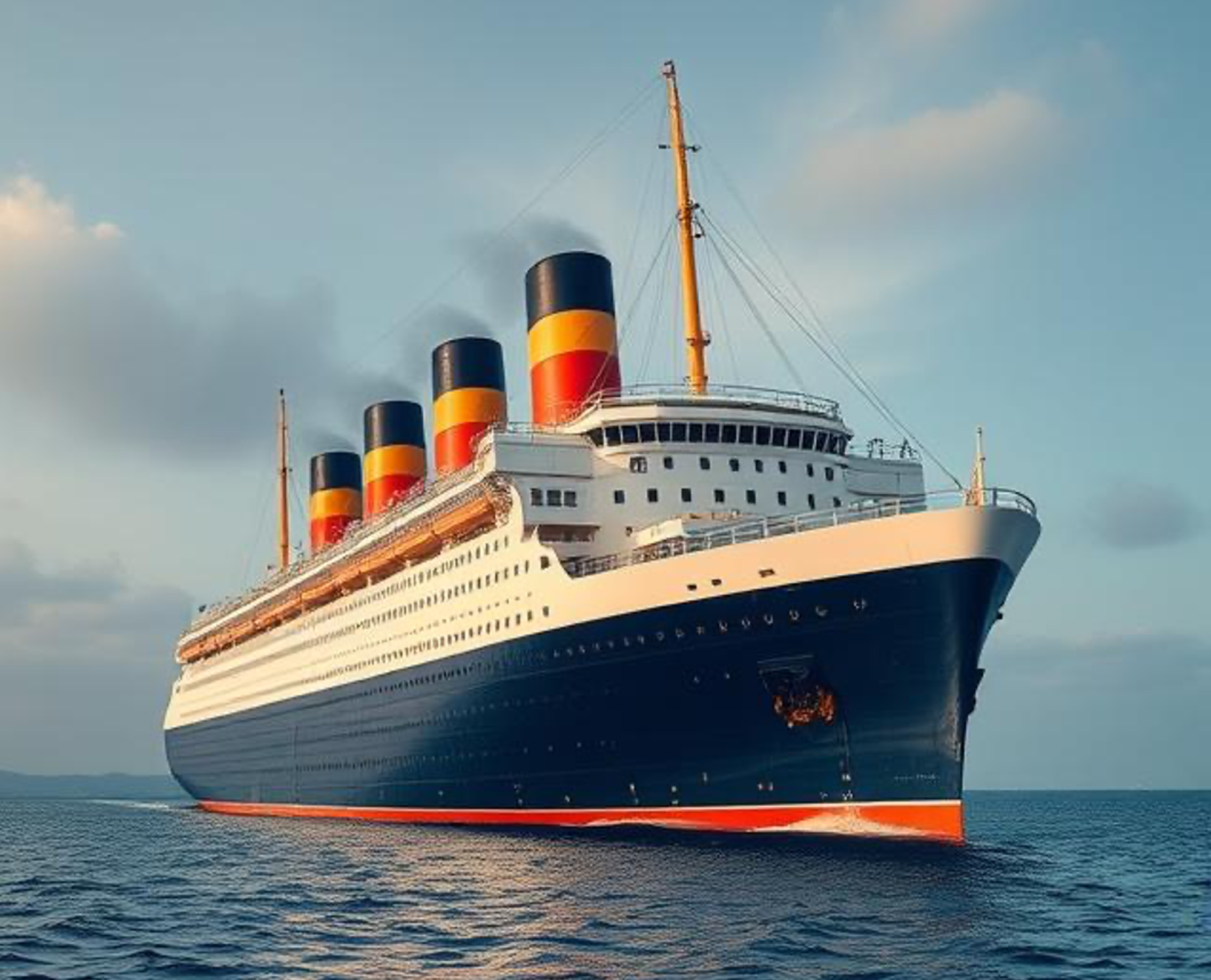
Ocean liners are built for speed and transporting up to 6 000 people.
|
Remember from the terminology sheet that “draft” means the depth of the vessel that is
underwater.
|
2. Cruise Ship
Cruise ships take passengers on a round trip, with various stopping points along the journey. For example, a cruise ship setting out from Sydney might stop at Fiji and other
islands before arriving back in Sydney a week later. Cruise ships generally only set sail in good conditions. They are designed for holidays rather than purely for transport like
ocean liners. Design elements specific to cruise ships are:
- Bow: Shorter and wider, meaning the ship is squarer and can carry more passengers.
- Draft: Reduced/shallow, allowing the vessel to dock in more ports.
- Structure: The vessel features more aluminium and glass to improve viewing opportunities.
- Speed: Less speed is required because it is a luxury cruise, so less fuel is consumed.
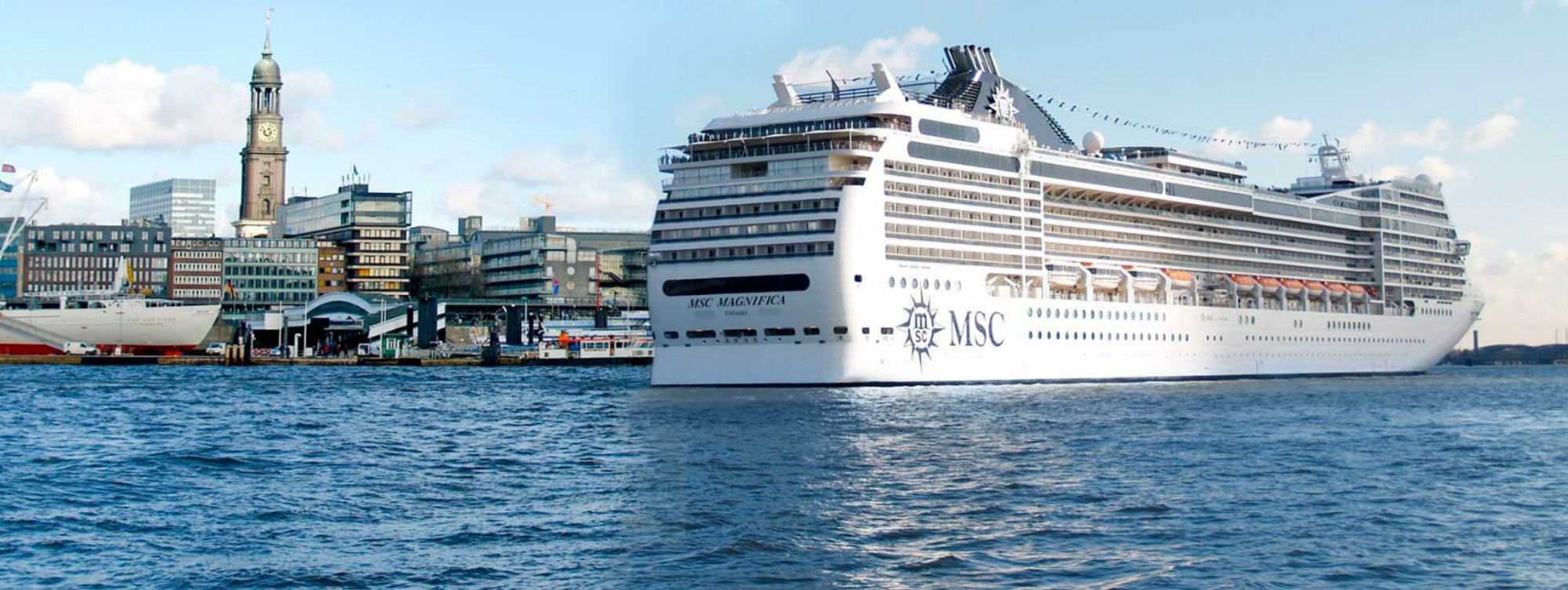
A cruise ship can accommodate 2 000 – 7 600 passengers.
Using a short comparison, you can learn to tell ocean liners apart from cruise ships.
| Ocean Liner |
Cruise Ship |
| Built more solidly for transport at speed |
Built for holiday and leisure |
| Carry more fuel |
Carry less fuel |
| Won’t reduce speed in bad weather |
Will reduce speed in bad weather |
| Deep draft |
Shallow draft |
| The bow is long and tapered |
The bow is short and wide |
| Will have more steel in the structure (up to 40%) |
Will have less steel in the structure |
| Developed as first vessel for long distance travel |
Developed after ocean liners for fun cruising holidays |
SUMMARY
In this lesson, we have learned about the sizes of vessels and how to distinguish them. We learned about the growing market of small luxury vessels. We discussed how to
identify superyachts, megayachts and gigayachts and the distinguishing characteristics of ocean liners and cruise ships.


